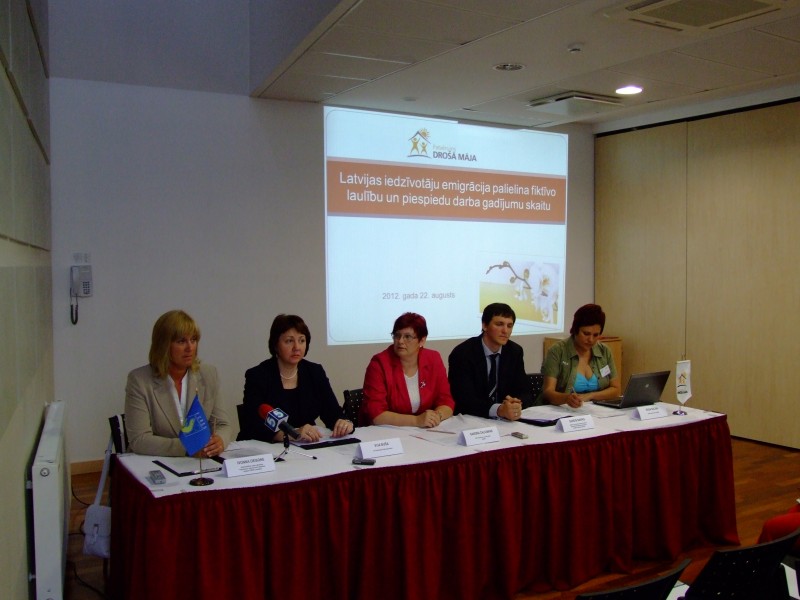
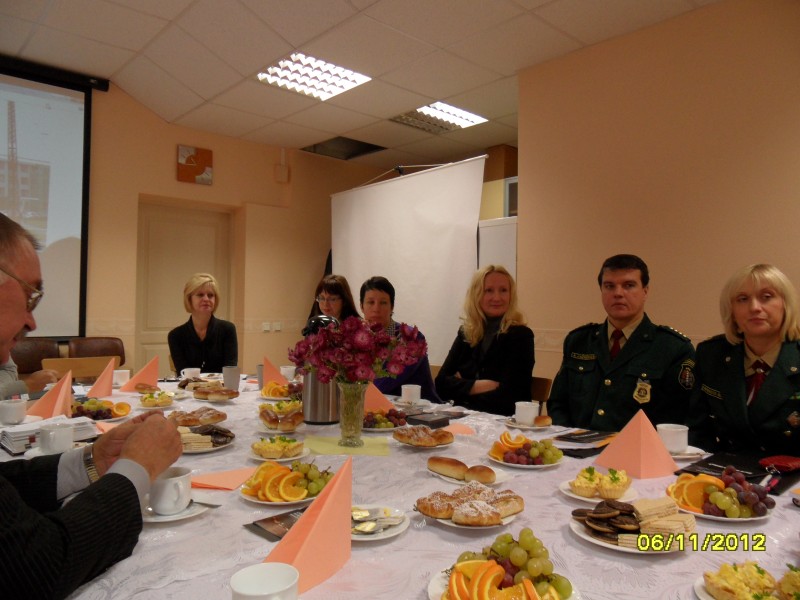
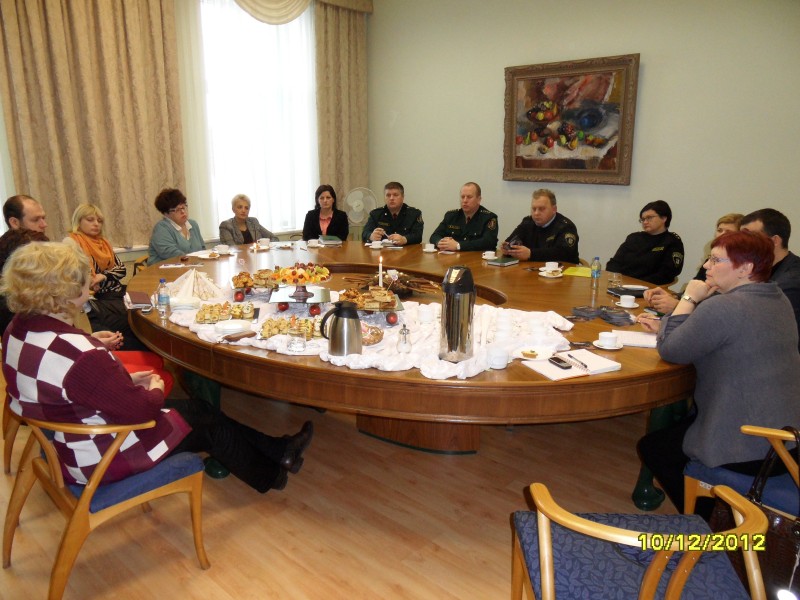
Sandra Zalcmane, chairperson of society „Shelter „Safe House”” explains that in 2011 57 cases of human trafficking victims were registered. Until August 2012 64 cases have been identify. Professionals at the society have provided consultations via phone, e-mail and in presence. 66% of those cases were victims of fictious marriages and 6% - sexual expluatation. In 23% of consultations preventive advice has been provided. Sadly, cases of labour expluatation abroad are increasing and now draws up to 5%.
In comparrison to 2011 the prophile of the victims has changed. This year number youths aged 18 to 25 has increased by 14% and is now 57% of all cases. 22 to 30 year-olds form 22%; 41 to 50 – 7% and 51 to 60 – 14%.
77% of all victims have secondary school or higher education.
Most cases of human trafficking have been in Ireland – 57%, followed by the UK – 15%; Germany – 14%, Belgium (7%) and Switzerland (7%). There have been no registered cases of human trafficking within Latvia so far in 2012.
Statistics of the society show that Latvian embassies and organisations such as Europol among others are the main informers about victims of human trafficking. IN few cases victims or their family or friends ask for help.
In 2012 state financed social rehabilitation has been provided to 15 victims of human trafficking. Due to increase of victims, the State has doubled financing for rehabilitation of victims.
Vija Buša Counsellor, Deputy Head of Mission, the Embassy of the Republic of Latvia to Ireland says that the constant flow of Latvian women for fictious marriages show how insufficient preventive efforts in Latvia are. The embassy has information about working, especially seasonal, conditions of many Latvian nationals in Ireland, shows that people in Latvia do not have enough information about work rights in Ireland. Many don’t even have sufficient English language skills to work abroad.
In 2011 the Embassy of the Republic of Latvia to Ireland helped 89 potential victims of human trafficking. Until August 2012 help has been provided in 54 cases. Much of the help was given to people involved in fictious marriages. In the last few years the average age of victims of fictious marriages is under 20. Since October 2010 til August 15 2012 80 girls born in 1991 or later have come to Ireland to involve in fictious marriages.
Sandis Barks, Senior Desk Officer, Sectoral Policy Department, Ministry of the Interior of the Republic of Latvia. In the end of 2011 the Ministry of the Interrior and State Police with State Labour Inspectorate and scociety „Shelter „Safe House”” has developed Human trafficking for labour expluatation identification guidelines, which can aid in possible human trafficking for forced labour case identification and investigation. One of the key points is violence or threat of violence towards the victim.
Currently in Latvia there is only one prosecution being carried out for recruiting underaged persons to be expluatated as models at an agency in Italy.
Ivonna Deisone, EURES Manager, Division of Development, Department of Services, State Employment Agency of Latvia explains that the function of EURES is to provide information to job seekers who are looking for work within the EU and European Economic Area, and Switzerland. The main areas of interest are what sort of vacancies are available or professions needed in which countries, what resouces to use to find work and apply for it. Other questions are connected with formalities such as work permits, accomodation, social security etc. Most individual consultations are about work in the UK, Germany, Norway, Finalnd and the most popular fields are agriculture, manufacturing, and service industry and construction.
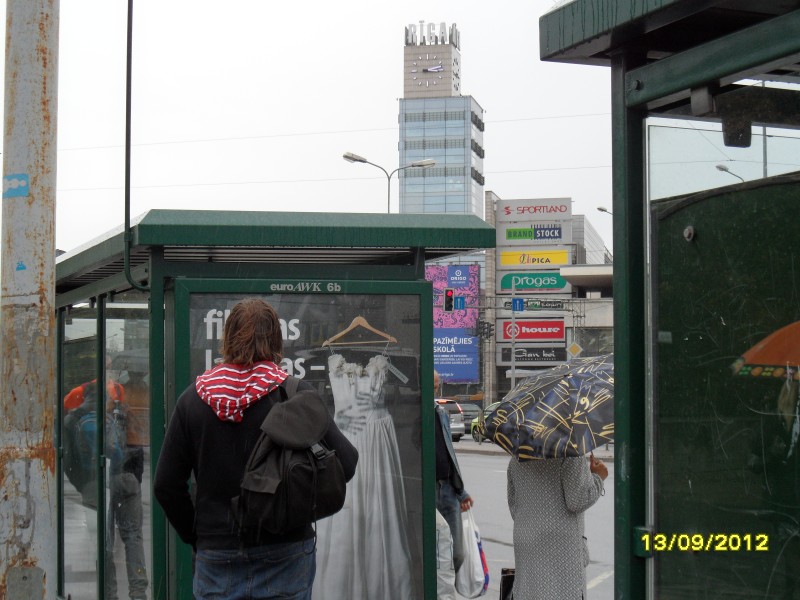
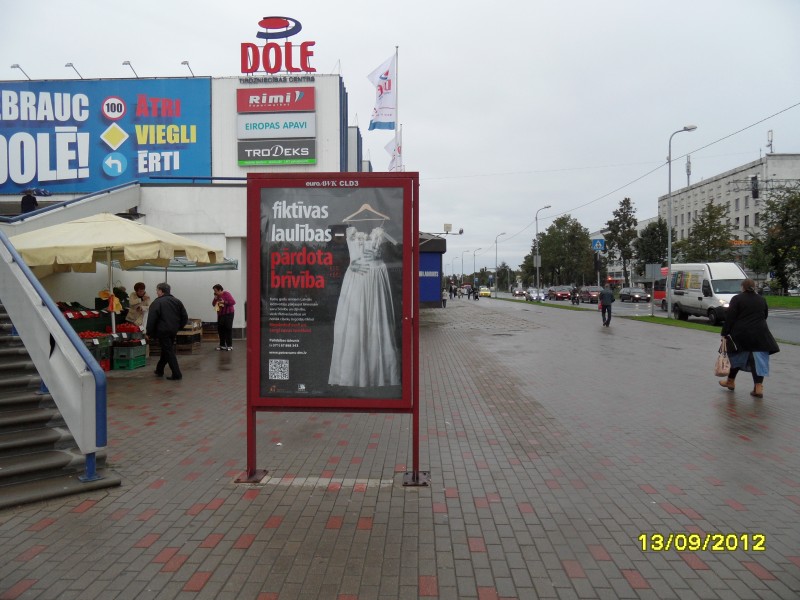
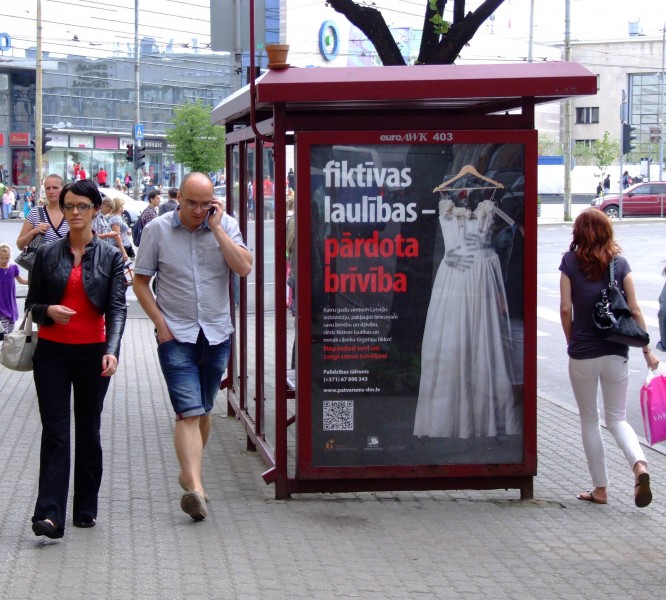
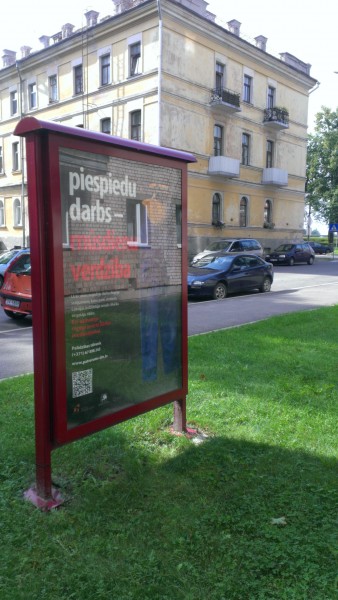
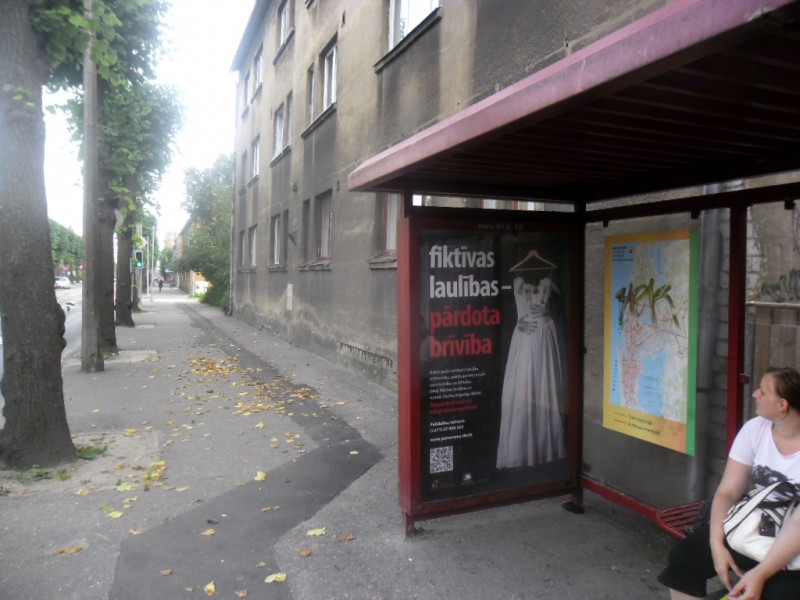
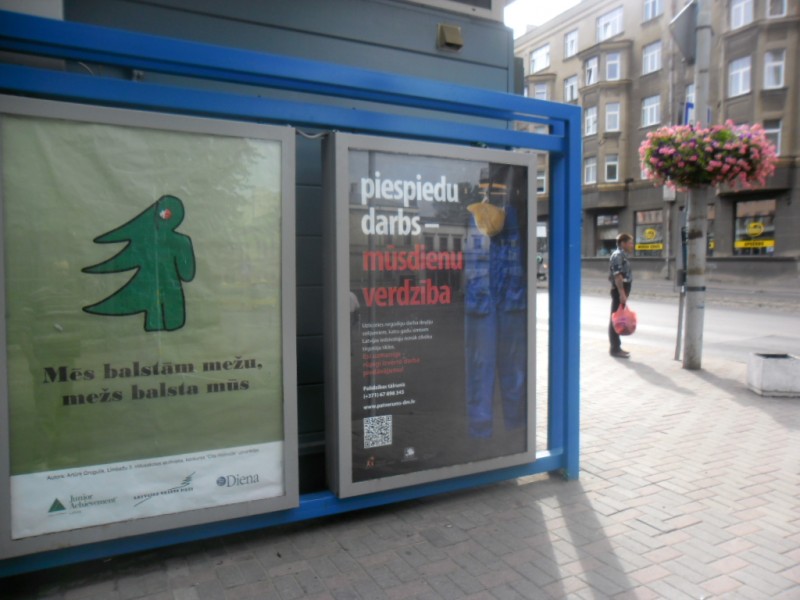
To warn Latvian citizens about possible risks of human trafficking, society „Shelter „Safe house” has just launched an informative campaign „Sold Freedom” the goal of which is to reduce the increasing human trafficking and provide consultations to citizens about the risks of human traffikcing also involving several municipalities in solving the problem.
Even though the subject of human trafficking is being widely discussed, the number of victims is not ecreasing. We seek different ways to reach society. We look for places where people can devote their attention to learn about human trafficking. This time with the support of Philip Morris International and EuroAWK we have created an outdoor social advertising campaign in five large cities around Latvia – Riga, Valmiera, Liepāja, Daugavpils and Rēzekne. We truly hope for the involvement of the society by warning their friends and relatives and, most importantly, not keeping information about victims from those who can help. We urge everyone to participate in reducing the problem, giving information to each other and keeping oneanother from making rash decisions, – Sandra Zalcmane.